
Gentle Wellness Support for Mental & Physical Healing
Healthy Body Crush offers educational resources, calming wellness practices, healing teas, and guided tools to support balance, clarity, and recovery after mental or physical trauma.
How Healthy Body Crush Supports Your Healing Journey
Mental Wellness
Resources that focus on emotional clarity, grounding, and personal growth.
Physical Wellness
Educational information about herbal teas, daily rituals, and body awareness.
Healing Guides
Author-written eBooks designed to support healing, resilience, and self-discovery.
A Gentle Wellness Guide
Small Steps to Support Mind & Body Healing
Wellness does not require perfection, pressure, or drastic changes. True healing often begins with small, intentional choices that support both the mind and the body over time. This guide is designed to help you slow down, reconnect with yourself, and explore gentle wellness practices that can be integrated into your daily life.
This guide is intended for educational purposes only and aims to promote awareness, balance, and self-care.
Step 1: Create a Calm Daily Moment
Healing often starts by creating space to pause. Even a few quiet minutes each day can help your nervous system feel safer and more grounded.
Simple ideas:
Sit quietly with a warm cup of tea
Take slow, deep breaths for 2–3 minutes
Step outside and notice your surroundings
Consistency matters more than duration. A few minutes every day is enough to begin.
Step 2: Support the Body Gently
The body and mind are deeply connected. Gentle physical support can help create emotional balance as well.
Examples of supportive practices:
Drinking herbal teas as part of a routine
Staying hydrated throughout the day
Eating regular, nourishing meals
Allowing your body time to rest when needed
These small actions can help your body feel supported without stress or restriction.
Step 3: Nurture Mental & Emotional Wellness
Mental and emotional healing often comes from awareness, not force. Paying attention to thoughts and feelings without judgment can be a powerful step.
Helpful practices include:
Journaling thoughts or emotions
Practicing self-compassion
Reducing self-criticism
Allowing emotions to come and go naturally
You don’t need to “fix” everything at once. Awareness itself is progress.
Step 4: Explore Gentle Wellness Tools
Wellness tools such as herbal teas, calming routines, or guided reading can offer support when used mindfully.
Herbal teas are often used as part of:
Relaxation routines
Digestive comfort
Evening wind-down rituals
Emotional grounding moments
Choose what feels supportive for you and move at your own pace.
Step 5: Be Patient With the Process
Healing is not linear. There will be days of clarity and days of struggle. Both are part of growth.
Important reminders:
Progress is personal
Rest is productive
Small steps count
Healing takes time
Gentle consistency is more powerful than intensity.
Closing Thought
Wellness is not about becoming someone else—it’s about returning to yourself with care and understanding. By creating small, supportive routines and allowing space for healing, you begin to build balance from the inside out.
Download Nature’s Steep: 10 Teas to Transform Your Health—a calming introduction to herbal teas traditionally used to support balance and daily wellness.
Featured Healing Guides
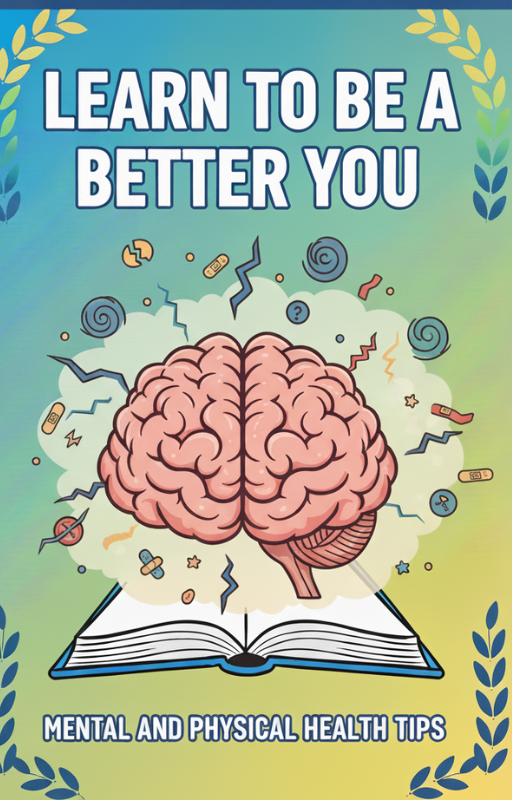
Learn to Be a Better You
A reflective guide focused on understanding trauma, healing patterns, and personal growth.
👉 View on Amazon
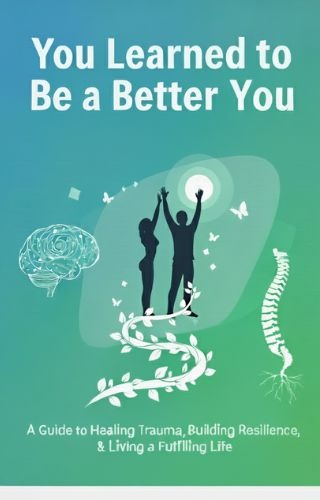
You Learned to Be a Better You
A continuation focused on resilience, clarity, and building healthier habits after hardship.
👉 View on Amazon
Why Healthy Body Crush Exists
Part I: The Journey of Ray Ortiz
A few years ago, I was lost in a cycle of depression and chronic pain. I wasn't a doctor or a therapist, but I was someone who had dealt with mental and physical struggles for many years—just like you might be right now. I spent two years researching why I was experiencing these problems and eventually discovered that the path to healing was much simpler than I ever imagined.
Today, I am 99.9% recovered from the mental and physical pain that once controlled me. My mission now is to share how I conquered my own thoughts to rebuild my confidence and health.
Part II: The 4 Pillars of Your Recovery
To follow this journey, you must embrace a holistic approach that addresses the mind, body, and soul.
1. Identify and "Know Your Pain."
The first step is to pinpoint exactly where you are hurting—whether it’s a specific physical location like your back or an emotional state like anxiety.
Target the Source: Once you identify the pain, you can address it before it worsens.
Self-Assessment: Keep a record of your symptoms to monitor your progress.
The Body’s Power: Remember that your body is designed to maintain balance and restore itself through natural processes like cell regeneration.
2. Conquering the Fear
Pain can either break you or make you a better person. The secret is to stop running from it and start utilizing it.
Embrace the Pain: Use pain as motivation to get stronger rather than looking for temporary comforts that lead back to the same cycle.
Take Charge: Never fear what you have the power to make right.
3. Declutter Your Life
To heal, you must remove the "noise" from your three core systems:
The Mind: Practice mindfulness to focus on the present, and keep a journal to organize your thoughts. Reduce your social media and screen time to limit negative information.
The Body: Stick to a healthy diet of whole foods, drink plenty of water, and aim for 30 minutes of daily activity.
The Soul: Spend time in nature and cultivate relationships with positive people.
4. Rewire Your Brain
Your thoughts are the key to your success. If you focus on pain, your brain tells your body that you will not heal.
Positive Thinking: Replace negative thoughts with constructive ones to help heal your wounds.
Ancient Remedies: Utilize tools like meditation to alleviate mental anguish and fasting to promote the growth of new stem cells and repair damaged tissue.
Seek Inspiration: I highly recommend reading Breaking the Habit of Being Yourself by Dr. Joe Dispenza, which helped me change my own mindset.
Part III: Your Daily Action Plan
Acceptance: Recognize that pain is a part of life, but it does not have to be your master.
Gradual Progress: Start with low-impact exercises like walking, swimming, or yoga, and slowly increase the intensity as your strength returns.
The Leap of Faith: Healing starts with a thought, followed by an idea, and finally, action.
Believe you can, and you are halfway there.